World Health Day, observed on April 7th since 1950, serves as an opportunity to raise global awareness regarding crucial public health issues of interest to the international community and to launch long-term programs addressing these key topics. Today, the Day invites us to deeply reconsider the very meaning of "well-being"—something not built solely within traditional healthcare settings, but also within cultural spaces such as theaters, museums, libraries, and concert halls. This is no longer merely an intriguing idea but a paradigm shift now supported by scientific evidence and emerging public policies. In Italy—as highlighted by a *Vita* article on the social prescribing of art and culture (February 6, 2026)—the concept is gaining ground that culture can complement medical treatment as a tangible tool for well-being, with institutional protocols and pilot projects already underway.
This evolution rests on increasingly solid scientific foundations. Daisy Fancourt, a psychobiologist and epidemiologist at University College London, has authored a new book titled *Art Cure*—presented in Italy by the Cultural Welfare Center—in which she reviews the evidence regarding the impact of creative activities on people's health and well-being.
The scientist has no doubts:
“
Engaging in the arts is as vital as nutrition and physical exercise, and it offers measurable, long-term benefits for both mental and physical health
”
In this sense, culture is not merely a factor for individual well-being but a strategic lever for more effective, preventive, and inclusive health policies capable of addressing the social determinants of health: combating loneliness, fostering inclusion, and ensuring equitable access to cultural opportunities.
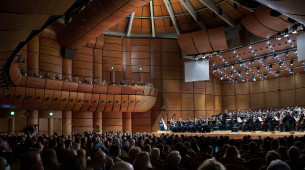
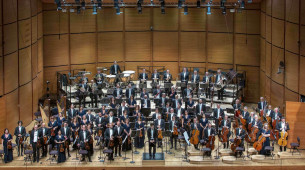
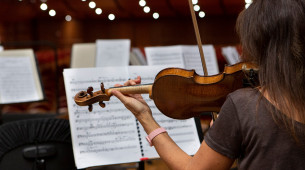
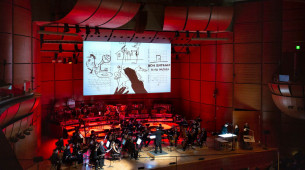
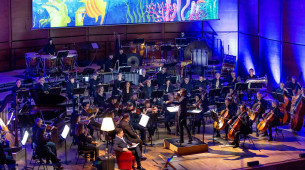
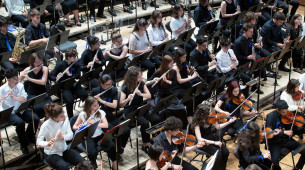
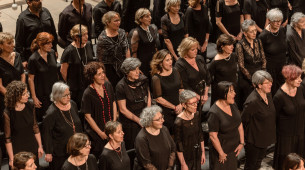
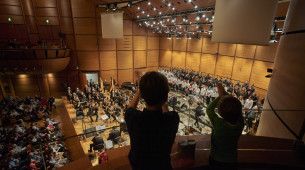
It is within this context that the paradigm of cultural welfare has emerged, integrating knowledge and practices from the cultural, health, and social sectors. The Orchestra Sinfonica di Milano’s *Discovery* Program operates within this framework, viewing musical practice as an experience that generates well-being, connection, and participation throughout one’s life. Alongside projects aimed at individuals with cognitive vulnerabilities—such as initiatives for Alzheimer’s patients and choral activities serving as spaces for social connection and care—the program offers a wide range of activities for children, adolescents, and young people. These include choirs, youth orchestras, and structured initiatives like Armonie d’Infanzia (Harmonies of Childhood), which foster connections between schools, families, and cultural institutions. In these settings, music serves as both an educational tool and a means of promoting well-being, capable of strengthening cognitive, emotional, and social skills, building a sense of belonging, and fostering the individual's harmonious development.
The concept that beauty does us good thus takes on a precise, practical meaning. It is not merely an evocative phrase but the synthesis of a coherent body of evidence, practices, and evolving policies. From this perspective, health increasingly appears as a complex balance between body, mind, and social context; culture—with its capacity to generate meaning, beauty, and connection—proves to be one of the most profound and essential infrastructures for building that balance.