It was Vienna, the Habsburg capital, that provided the ideal setting for this transformation. Here, the ball was not merely entertainment but a collective ritual that played out the social hierarchies, desires, and contradictions of a cosmopolitan society. It was against this backdrop that the Strauss dynasty emerged, destined to leave an indelible mark on the history of the waltz. Johann Strauss I was among the first to grasp the potential of this music; he organized permanent orchestras and brought the waltz into grand public spaces, transforming it into a spectacle. His work—poised between art and entertainment—fit perfectly into the fabric of imperial Vienna, where music and power coexisted in a delicate balance. However, the decisive shift occurred with Johann Strauss II, who elevated the waltz to a complex art form. Under his direction, the sequence of dances evolved into an intricate structure featuring symphonic introductions, recurring themes, and expansive codas.
Thus, the waltz moved from the ballroom to the concert hall, becoming one of the musical symbols of nineteenth-century Europe. Alongside him, his brother Josef Strauss contributed a more introspective and poetic musical language, capable of conveying melancholic nuances that reflected the more fragile and restless side of Central European culture.
This musical evolution was closely intertwined with the empire's political history. During the Revolutions of 1848, as revolutionary fervor swept through Vienna, the Strauss family itself embodied conflicting tensions: the father remained loyal to the imperial order, while the son initially sympathized with ideals of reform. The waltz—seemingly lighthearted—thus became a medium for indirectly narrating reality, capable of celebrating events, figures, and social changes.
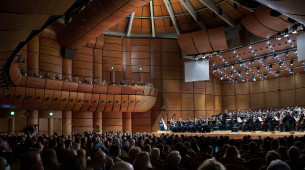
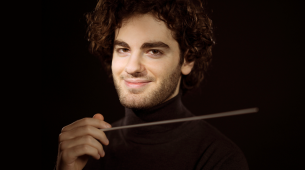
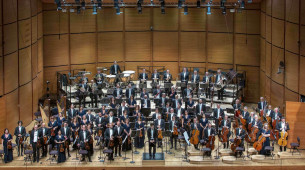
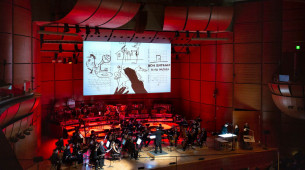
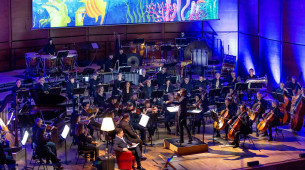
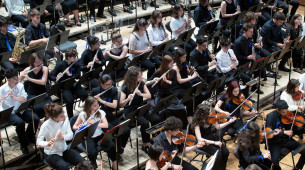
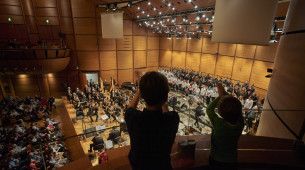
A reflection of this complexity can still be found today in symphonic programs that revisit that repertoire. The Milan Symphony Orchestra’s concert featuring works by Bartók, Haydn, and the Strauss family, for instance, creates a genuine musical journey across the territories of the former empire, ranging from folk roots to the Viennese heartland. Alongside the folk-inspired elements of Bartók and the classicism of Haydn, some of the most iconic pieces of the Strauss tradition take center stage: the brilliant Tritsch-Tratsch Polka, the famous Kaiser-Walzer (Emperor Waltz), and the dreamy Sphärenklänge (Music of the Spheres) by Josef Strauss.