


.jpg)
.jpg)

.jpg)
.jpg)
@ sinfonicami


How to contact us
Ticket office: Largo Gustav Mahler, Milan
La biglietteria è aperta da martedì a domenica, dalle 12.00 alle 19.00
T. 02 83389.401
[email protected]
 Auditorium of Milan
Largo Mahler,
Milan
M.A.C
Piazza Tito Lucrezio Caro, 1
Milan
© Fondazione Orchestra Sinfonica e Coro Sinfonico di Milano Giuseppe Verdi
Piazza Tito Lucrezio Caro, 1 - Milan
Tax Code 97119590152 - VAT number 11024950153
The Auditorium – The History
_cut.jpg)
On the site now occupied by the Auditorium di Milano, a local cinema stood amidst the countryside at the beginning of the century.
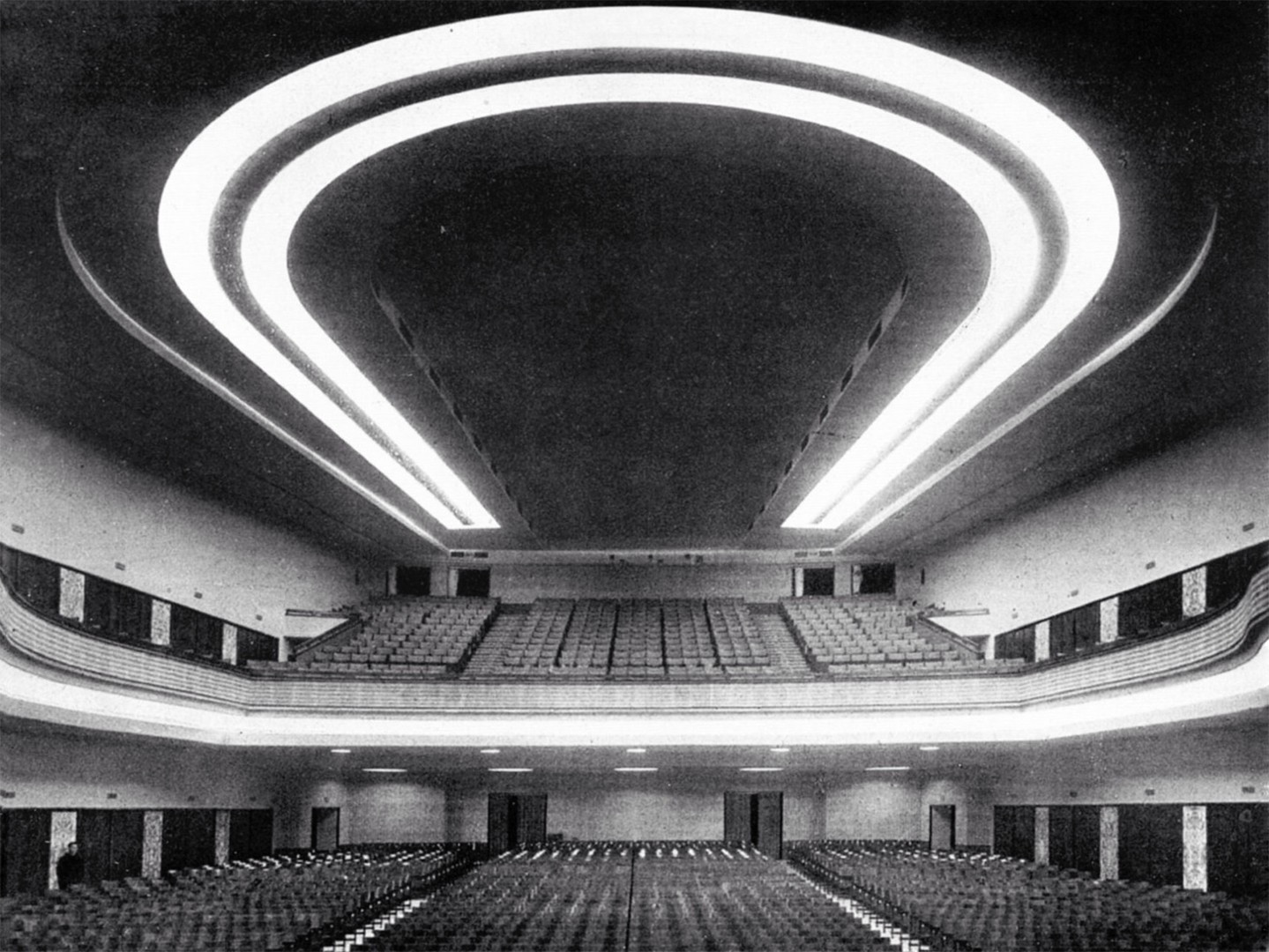
The first references to the Cineteatro la Montagnetta date back to 1920; at the time, the venue had a seating capacity of 2,000 and screened second- or third-run silent films. With the advent of sound cinema, the Cineteatro la Montagnetta adapted to the changing times by reducing its seating capacity and changing both its name and management to become the Cinema San Gottardo. It expanded its programming to include first-run films and "talkies." Nevertheless, it remained a neighborhood cinema, screening two films a day—often second-run titles. The cinema gained prestige and a new architectural identity thanks to a redesign by Alessandro Rimini, which began in 1936.
The Società Anonima Immobiliare Rione San Gottardo commissioned the architect to renovate the cinema and, at the same time, to design a space for commercial premises and residential units, as part of a neighborhood that was gradually undergoing transformation and modernization.
The first references to the Cineteatro la Montagnetta date back to 1920; at the time, the venue had a seating capacity of 2,000 and screened second- or third-run silent films. With the advent of sound cinema, the Cineteatro la Montagnetta adapted to the changing times by reducing its seating capacity and changing both its name and management to become the Cinema San Gottardo. It expanded its programming to include first-run films and "talkies." Nevertheless, it remained a neighborhood cinema, screening two films a day—often second-run titles. The cinema gained prestige and a new architectural identity thanks to a redesign by Alessandro Rimini, which began in 1936.
The Società Anonima Immobiliare Rione San Gottardo commissioned the architect to renovate the cinema and, at the same time, to design a space for commercial premises and residential units, as part of a neighborhood that was gradually undergoing transformation and modernization.
The Cinema Teatro Massimo opened on October 20, 1938, with a screening of Hanno rapito un uomo and remained in operation throughout the war years, the post-war period, and the economic boom, continuing into the 1970s by showing popular films, lively Italian comedies, Spaghetti Westerns, and adventure movies from abroad. However, the difficulty of managing such a large venue without major first-run releases eventually led to its closure.
_cut.jpg)
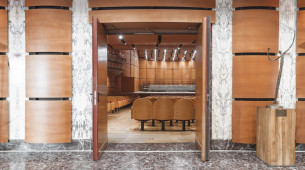
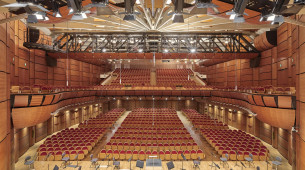
In 1979, it became a recording studio for television programs until the 1990s, when—thanks to the involvement of entrepreneur Agostino Liuni—the Marzorati architectural firm carried out a renovation project that was completed in 1999.
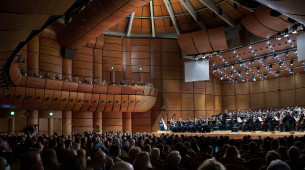
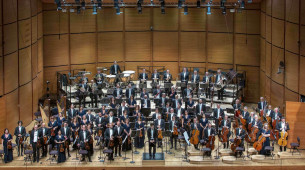
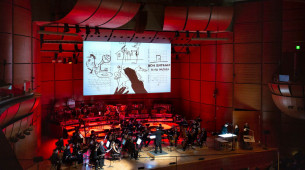
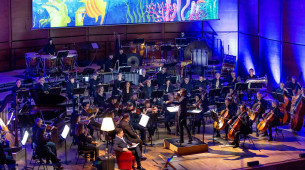
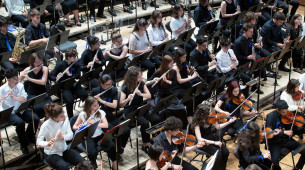
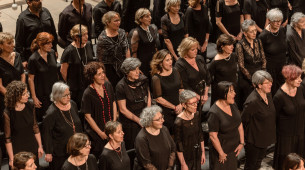
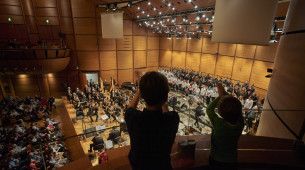
The rest is history. Since October 6, 1999—the date of its inauguration—music has resounded within the Auditorium hall, which hosts hundreds of concerts each year featuring some of the most prestigious conductors and outstanding soloists.
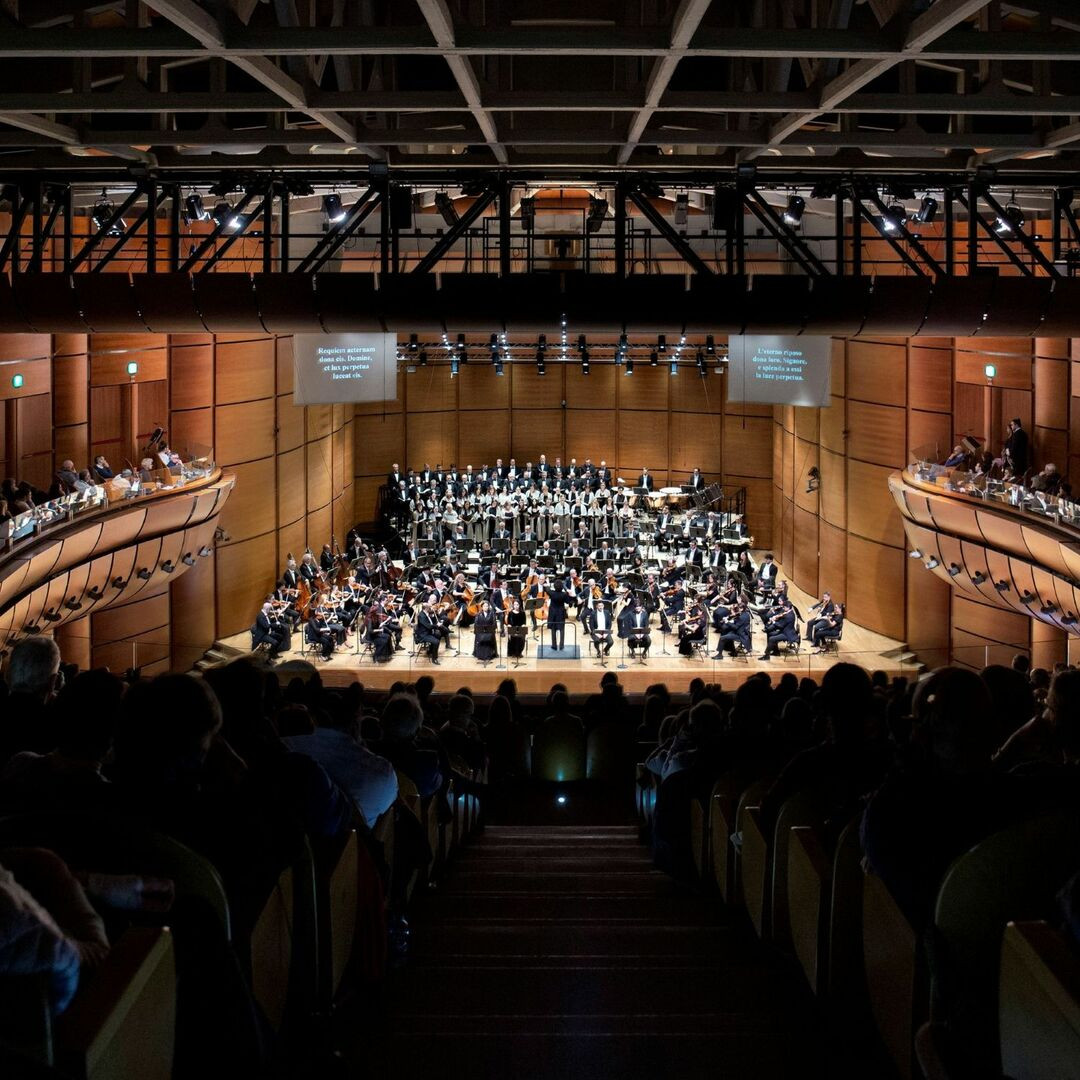
photo Angelica Concari
.jpg&jwt=eyJhbGciOiJIUzI1NiIsInR5cCI6IkpXVCJ9.W10.M2Nsg35BOL1WTyL7r-QYaK3oeWk64oZYHs7Y0fb1C3k)
photo Chiara Peroni-Gr Group
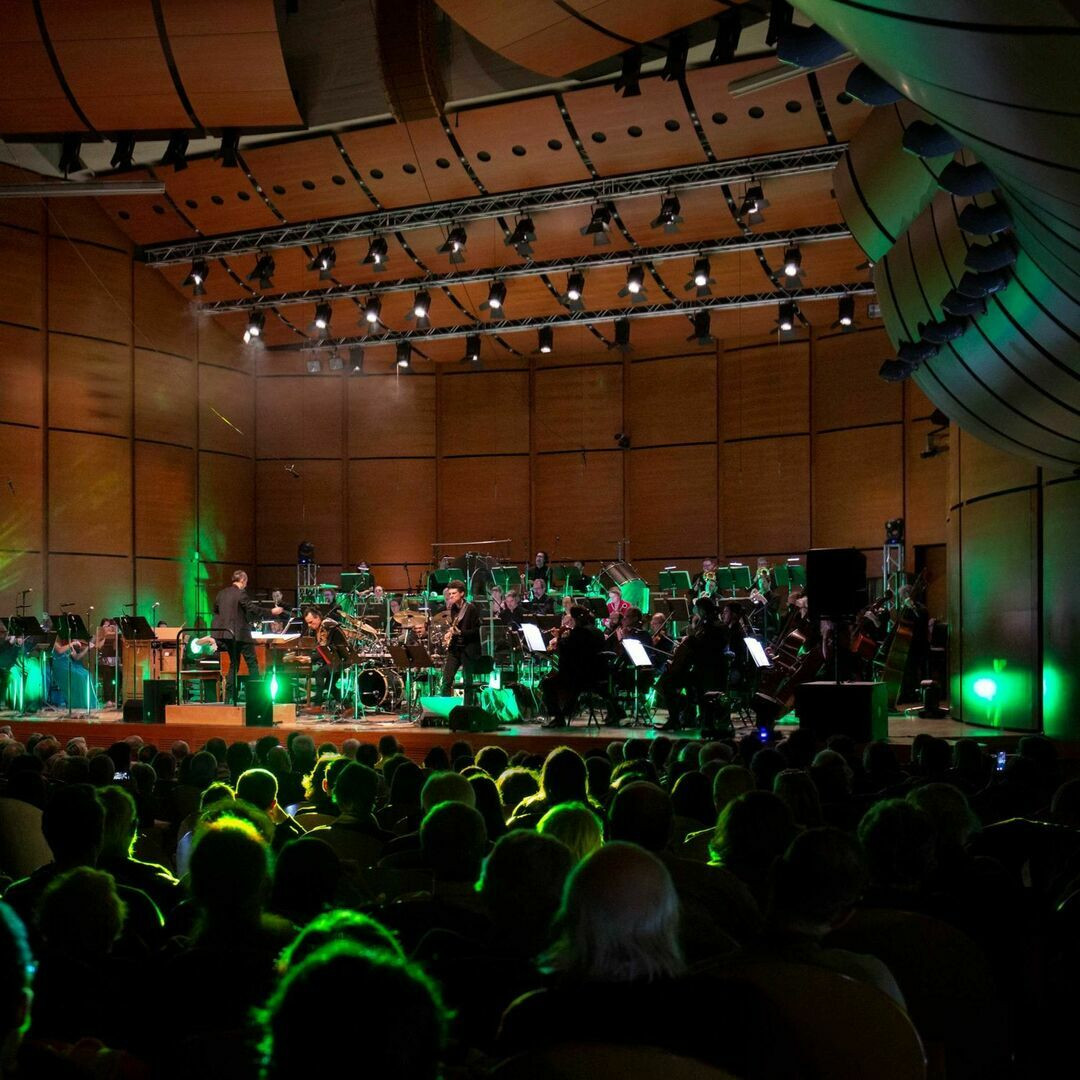
photo Angelica Concari
GIFT MUSIC
GIVE THE GIFT OF MUSIC WITH THE ORCHESTRA SINFONICA DI MILANO
GIFT CARD
GIFT CARD
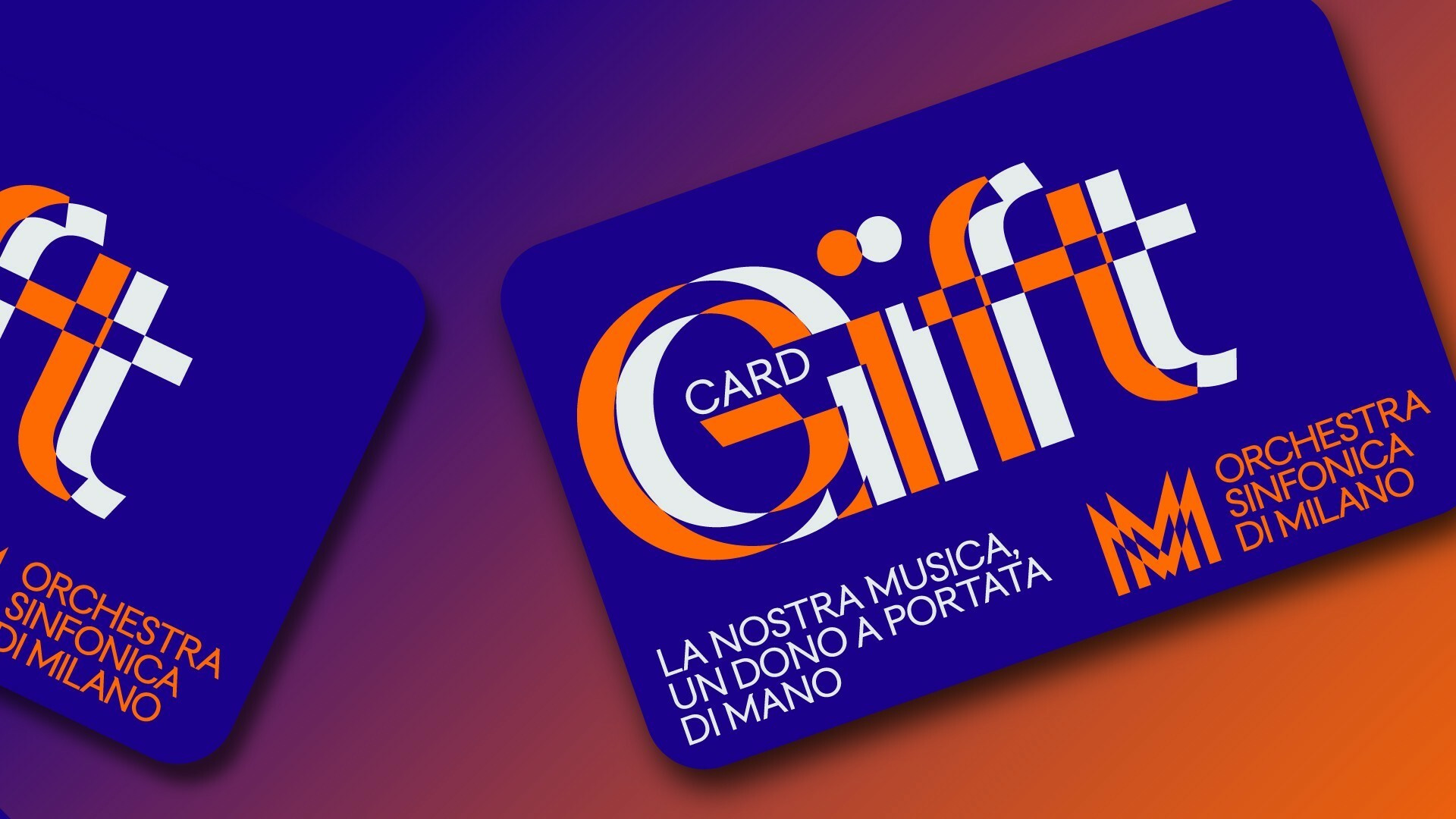
Looking for a special gift for a music lover?
With the Orchestra Sinfonica di Milano Gift Card, you can give them the thrill of a live concert or a subscription to the 2026/27 Season!
FIND OUT MOREWith the Orchestra Sinfonica di Milano Gift Card, you can give them the thrill of a live concert or a subscription to the 2026/27 Season!
Vuoi restare aggiornato sulle nostre attività?
Iscriviti alla newsletter!
@ sinfonicami
With the contribution of

Institutional Founders


Founders Promoters





With the support of

Partner


Technical sponsors



Media Partner




Digital Partner

How to contact us
Ticket office: Largo Gustav Mahler, Milan
La biglietteria è aperta da martedì a domenica, dalle 12.00 alle 19.00
T. 02 83389.401
[email protected]
Ticket office: Largo Gustav Mahler, Milan
La biglietteria è aperta da martedì a domenica, dalle 12.00 alle 19.00
T. 02 83389.401
[email protected]
Auditorium of Milan
Largo Mahler
Milan
Largo Mahler
Milan
M.A.C.
Piazza Tito Lucrezio Caro 1
Milan
Piazza Tito Lucrezio Caro 1
Milan
© Fondazione Orchestra Sinfonica e Coro Sinfonico di Milano Giuseppe Verdi
Piazza Tito Lucrezio Caro, 1 - Milan
Tax Code 97119590152 - VAT number 11024950153
Piazza Tito Lucrezio Caro, 1 - Milan
Tax Code 97119590152 - VAT number 11024950153